Development
Development in Ògèrè Rẹ́mọ is the combined story of public infrastructure, community-led improvement, government intervention, private-sector participation, diaspora support and the priorities that still require sustained attention. This page brings those strands together in one authoritative development overview and links changing project status to the live project register.
Current conditions are distinguished from historical assets, completed work, ongoing delivery and development priorities. This prevents an aspiration from appearing to be an approved or funded project and allows changing records to be updated without rewriting the entire page.
Infrastructure and Public Services

Ògèrè’s strategic location brings major regional road infrastructure directly through the town. The Lagos–Ibadan Expressway and the Ijebu-Ode–Abeokuta Road support movement, trade, logistics and visitor access, while the quality of internal roads, drainage and road-safety infrastructure continues to affect everyday mobility.
Community records also identify completed or approved road interventions around the town, including the Awomosu–Agbato/Christ Church School area and Yemogun Street. Each intervention is best maintained as a dated project record showing its status and responsible body rather than as a permanent political claim.
Follow live project records
The project register distinguishes completed, ongoing, approved/planned, development-priority and non-operational infrastructure.
Water Supply and the Ogere Water Works
The Eri-Ogu/River Ogun Water Works is one of Ògèrè’s most important historic public-infrastructure assets. Community historical records state that it was constructed by the Government of the former Western Region in 1957 and historically supplied public pipe-borne water across much of Remoland.
Its present website status is non-operational/moribund. Historical importance and current condition are therefore shown separately. Rehabilitation is presented as a development need; any approved rehabilitation programme is recorded on the Projects & Infrastructure page with its responsible body, scope, funding, status and dates.
Electricity, Energy and Public Lighting
Electricity reliability affects homes, schools, health facilities, businesses, artisans, public safety and the industrial corridor. Community records refer to transformer interventions in different parts of Ògèrè, including recent Golden Jubilee material that records transformer contributions in Akuro, Garage Junction, the Palace area and other locations.
Because electricity infrastructure changes over time, individual transformer and lighting interventions belong in the project register with location, responsible source and last-reviewed information. The development priority remains reliable supply, safe distribution and appropriate public lighting where needs are evidenced.
Education and Learning Infrastructure
Education is both a heritage strength and a continuing development responsibility. Ògèrè’s community history records early formal education through Christ Anglican School from 1892 and Wesley School from 1900, followed by additional public and private institutions. Ositelu Memorial College and Ògèrè Community High School later expanded secondary education.
Current development themes include maintenance of school buildings, learning resources, digital access, vocational pathways, career exposure and stronger connections between young people, local industries, professionals and the diaspora. Active school projects are carried through the project or institution records so their status can be updated without rewriting the permanent Development page.
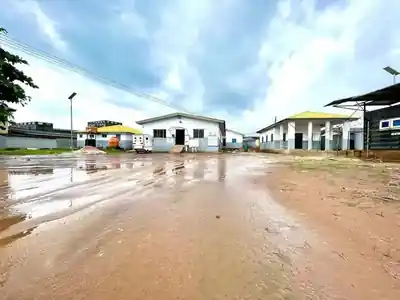
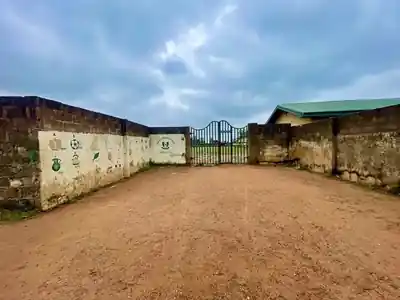
Community source photographs: education and civic infrastructure in Ògèrè.
Healthcare and Wellbeing
Healthcare infrastructure, preventive care and community health outreach recur across the development community record and Lipakala Day programmes. The community image archive documents health facilities in Ògèrè, while the 2026 Golden Jubilee programme includes a free medical check-up as part of its health and wellbeing activities.
Facility opening times, staffing and service scope are presented through current institution records rather than inferred from the existence of a building. Development reporting covers needs such as facility maintenance, equipment, preventive health, maternal health and reliable referral pathways.
A community-supplied photograph of a healthcare facility in Ògèrè.

Markets, Enterprise and Commercial Infrastructure
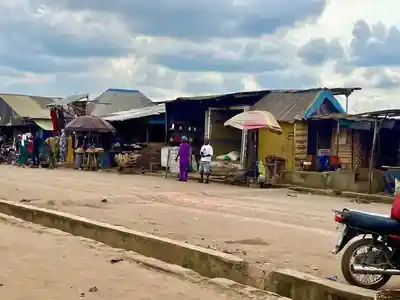
Markets, roadside commerce, local services and the industrial corridor connect infrastructure with livelihoods. Idera-Rahama Market at the Tollgate is documented in the project image collection, while community community record also records produce trading, artisan activity and a substantial manufacturing presence.
Development of commercial areas should consider access, sanitation, drainage, safety, utilities and the needs of SMEs and traders. Business participation can also extend beyond formal donations through local procurement, apprenticeships, skills transfer and transparent corporate social responsibility.
Idera-Rahama Market at the Tollgate, from the labelled community image collection.
Civic Buildings and Community Facilities
Ògèrè Town Hall is a central civic facility and houses the OCDA Secretariat. The Golden Jubilee brochure records an interior redevelopment completed in memory of Late Prince Olumuyiwa Adewunmi Babington-Ashaye and dedicated on 12 August 2026 by HRH Oba James Obafemi Saliu. The material also identifies external rehabilitation, furnishing and grounds improvement as a further community development opportunity.
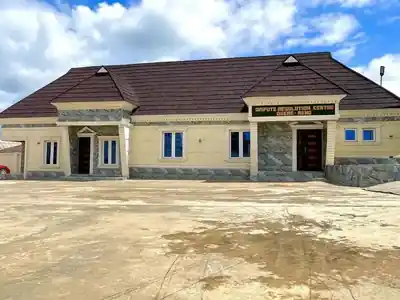
The Town Hall, Ààfin Ológèrè, Palace Event Centre, Dispute Resolution Centre and other community facilities demonstrate how development includes institutional and civic spaces as well as roads and utilities.
Community source images documenting civic facilities and recent Town Hall improvement.
Development Priorities
The community development baseline identifies a connected set of priority areas: water; roads, drainage and connectivity; electricity and energy; education; healthcare; youth skills and employment; security and road safety; sanitation and environment; markets and enterprise; industrial-community benefit; sports and recreation; digital connectivity; heritage and tourism; and inclusion of vulnerable groups.
These are development-priority themes, not a claim that every item is funded. A priority becomes an active project only when scope, responsible body, approvals, delivery arrangements and–where relevant–funding are sufficiently clear to create a project record.
How Development Is Reported
- Completed: delivery has been completed and the record can identify the outcome.
- Ongoing: implementation is in progress and current updates are available.
- Approved / Planned: an identifiable approval or plan exists, but delivery is not yet complete.
- Development Priority: an evidenced need or intervention area requiring an approved project pathway.
- Non-operational: an existing asset is presently not functioning, as with the Ogere Water Works.
- Under Review:
This status discipline supports constructive engagement with government, businesses, development partners, community institutions and the diaspora without turning the website into partisan praise or criticism.
Contribute a project update
Project owners, institutions and community stakeholders can submit evidence, photographs or corrections so the register reflects current conditions.
Follow Ongoing Projects
The Development page explains Ògèrè’s wider infrastructure and development priorities, while the Projects page provides a dynamic register for individual government, community, business and privately supported projects as information is updated.
