

History of Ògèrè Rẹ́mọ
The history of Ògèrè is inseparable from Olipakala, Yemogun and Lowa-Lida; the settlement at Agbele; the four ruling houses; the traditional wards and compounds; the Ológèrè and Ológèrè-in-Council; the town’s ancient administrative institutions; and the annual remembrance expressed through Lipakala Day.
Origins in Ile-Ife and the Foundation of Ògèrè
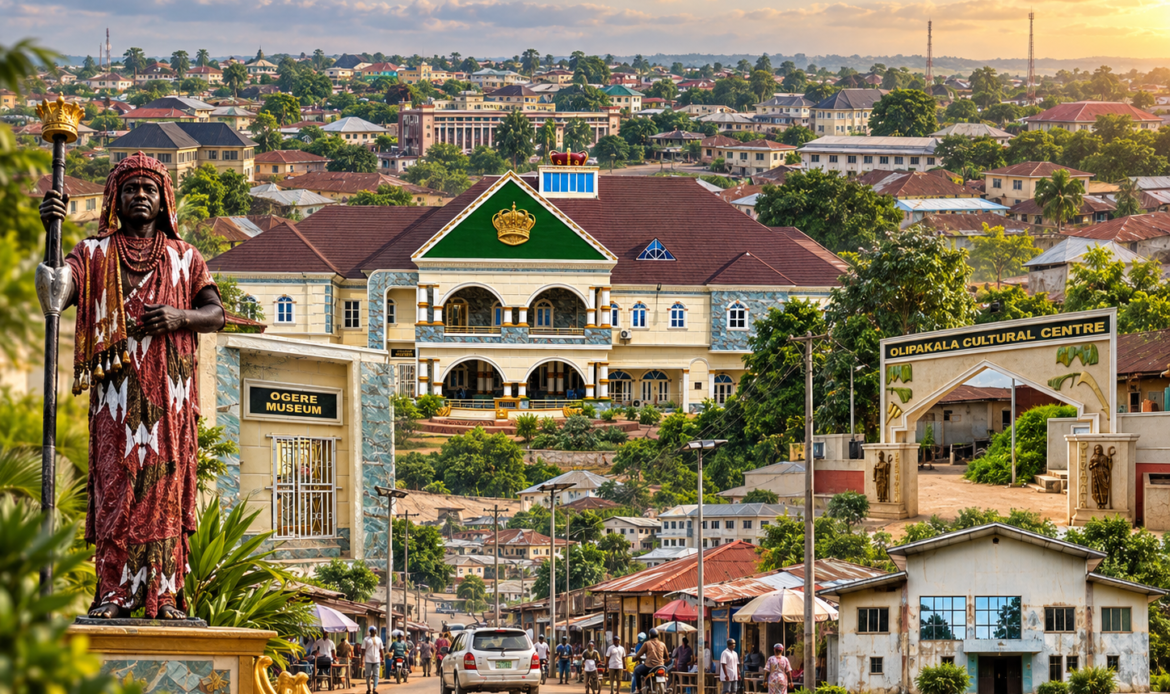
Olipakala and Obanta, founder of Ijebu-Ode, were brothers and crown princes of Ile-Ife. Both were descendants of Oduduwa. The founding story places Olipakala at the centre of Ògèrè’s early political, protective and cultural identity.
Olipakala, Agbeni Madeyin
Olipakala was a brave hunter, a great warrior and a great philosopher, and he was spiritually and supernaturally talented. He fought fervently to preserve his people’s identity and protect them from invasion by neighbouring rival towns, leading to many wars to safeguard them. The community history records that Ògèrè was never defeated in any war.
Hence, a cognomen was given to him: Olipakala Agbeni Madeyin.
Yemogun, Elebiripo Ijimiji
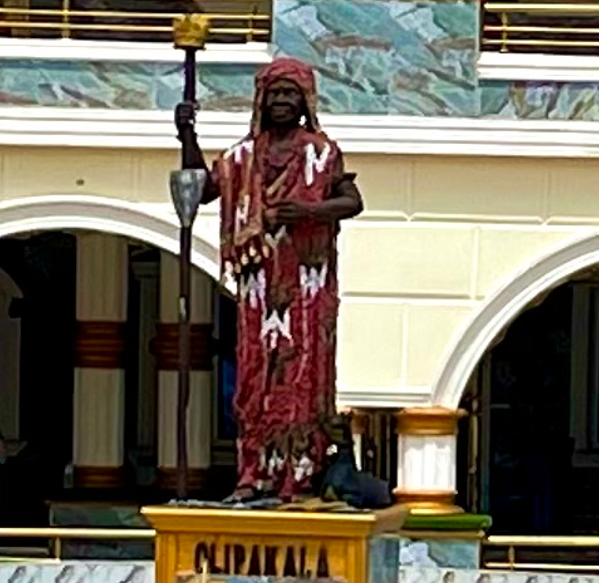
In one important community account, the continuing restriction on the public sale and consumption of ebiripo in Ògèrè is linked to Yemogun’s wartime action. During a Yoruba internecine war, a rival force invaded Ògèrè. On observing that the besieging force was hungry, Yemogun prepared ebiripo for them. The history records that the enemies died in their hundreds, enabling Ògèrè to conquer her most dreaded adversary.
Olipakala seized the war club of the opposing generalissimo and used it to kill him, giving rise to the expression “OFOGBO OYO P’OYO”. Following the victory, the king and the council of chiefs prohibited the public sale of ebiripo in commemoration of the victorious event. This restriction remains in place till today.
Lowa- Lida
Educational Heritage
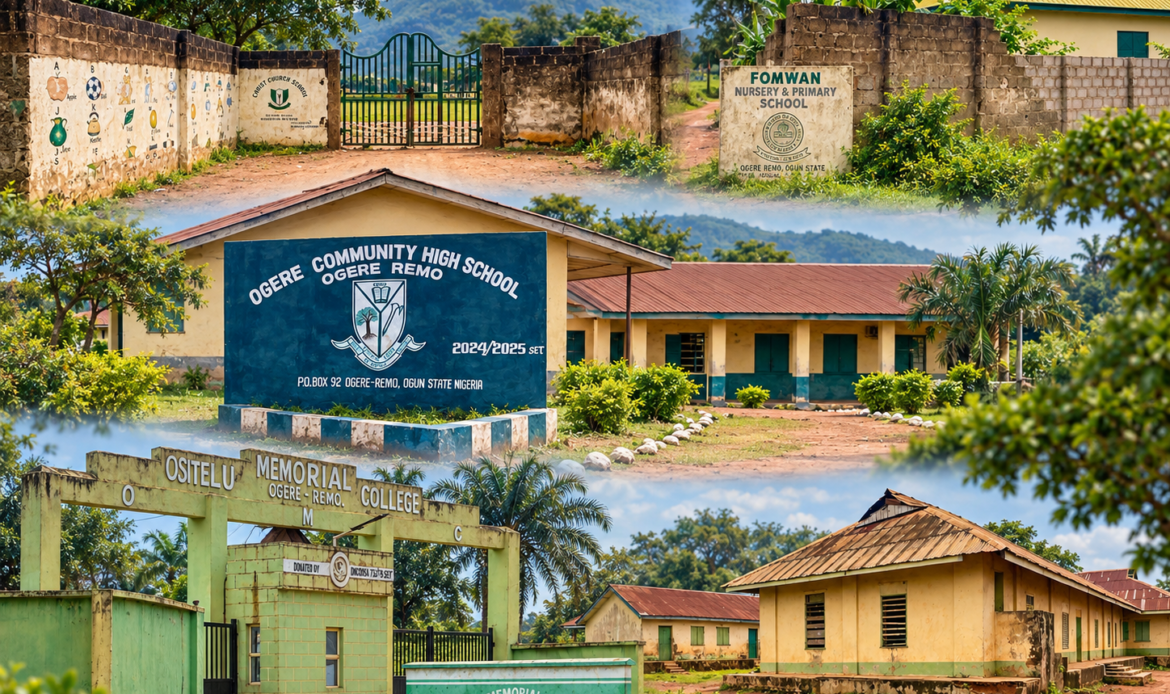
Formal education began with British missionary activity. Christ Anglican School was established in 1892, followed by Wesley School in 1900. Local Authority Primary School also operated in the town, while FOMWAN was established later. These institutions are now government-controlled public schools.
Private education later developed, with Faith Nursery and Primary School recorded as an early initiative owned by Ògèrè indigenes Mr and Mrs Segun and Biola Oyekunle.
At secondary level, Ositelu Memorial College was established in 1973, while Ògèrè Community High School followed in 1979/80. Over time, Ogere’s educational landscape has expanded considerably, with more than ten private schools now operating in town today.
Location, Landscape and Connectivity
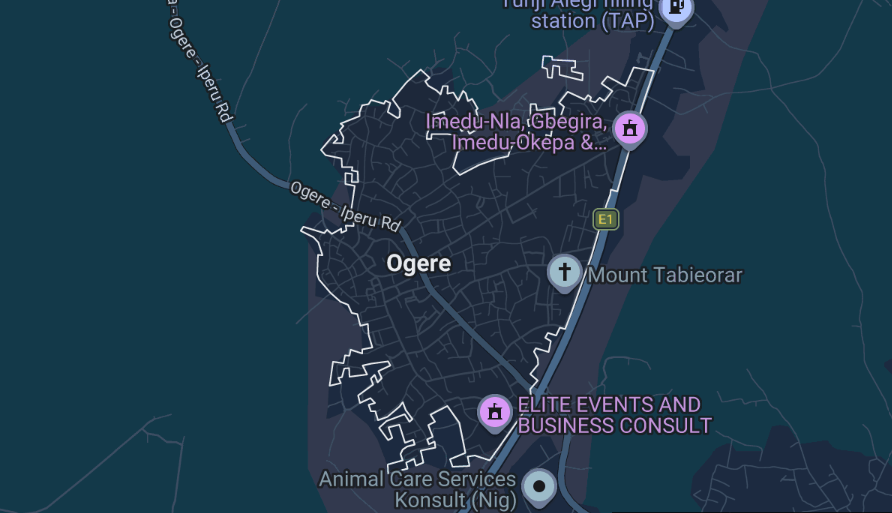
Ògèrè’s boundaries are Ajura, an Egba town, to the north; Iperu Remo to the south; Ode Remo to the east; and Sagamu Remo to the west. The Lagos-Ibadan Expressway and the Ijebu-Ode-Abeokuta Road both pass through Ògèrè Rẹ́mọ.
The Eri-Ogu (River Ogun) Water Works is also part of the town’s infrastructure history. The facility was constructed by the Government of the former Western Region in 1957. It provided the only source of public potable pipe-borne water to Remo towns at the time, except Sagamu.
Migration, Settlement and Related Communities
Elepe, Lowosiwu and others disagreed with the arrangement and departed. Elepe settled in Itun-Epe, Ògèrè, while the Lowosiwu crown remained with Olure. Idena, Idarika and Ibido departed with their inheritances and remain historically related communities. The traditional chieftaincy titles are shared between Ògèrè and these communities (Ogere/Idena, Ogere/Idarika and Ogere/Ibido).
During the early political period, Ògèrè, Idena and Idarika formed one ward, with the ward secretariat situated in Ògèrè. Idena lies to the east of Agbele through Yemogun Grove (Igbo Yeye); Idarika lies to the north-east of Ògèrè; and Ibido lies to the south.
The last family line decided to move far away and settled at Lipakala Village along Abeokuta Road in Obafemi-Owode Local Government Area, where the Ogun State High Court of Justice is currently located.
The Four Ruling Houses
Jawo Ruling House (Legunsen)
Agbejoye/Fadagbuwa Ruling House (Oyegunsen)
Kankanbina/Ajigboye Ruling House (Adegorunsen)
Logorun/Gunsenmade Ruling House (Oregunsen)
Notes: Within these royal names, “Usen” symbolises the royal stool.
Traditional Wards, Quarters and Compounds
Itajiren
Oke Lisa (Oke Ilu)
Each compound has a head known as the Baale, supported by other officers who assist in the administration of the compound. The growth of Ògèrè later extended to Ayegbami, Ayetoro, Ajegunle, Mosimi, Wasimi, Lowa, Imose and Akuro, among other areas.
The Ológèrè and Ológèrè-in-Council
The Ológèrè also serves as the spiritual head of Ògèrè people, and the traditional authority of the office remains central to the community. The Olisa is the vice-chairman of the Ológèrè-in-Council and assists the Kabiyesi in the discharge of these responsibilities.
Ológèrè of Ògèrè
Olisa of Ògèrè
Ológèrè-in-Council
The Exit of Olipakala and Ancestral Remembrance
Olipakala Grove (Igbo Olipakala) and Yemogun Grove (Igbo Yeye) were established. The festival during which Olipakala is remembered and worshipped is called Oro Olipakala, while that of Yemogun is called the Obalufon Festival. These festivals are observed annually.
Olipakala’s exit brought a substantial reorganisation of Ògèrè society. From time immemorial, people lived by their might and the weak easily fell prey to the strong. With Olipakala around, no war ever conquered his people. Even after his departure, his spirit continued to give strong support to the people, though it taught them lessons whenever they disobeyed his orders.
Since 1976, sons and daughters of Ògèrè at home and in the diaspora have celebrated the ancient town annually through Lipakala Day. The day is set aside in remembrance of departed heroes, particularly Olipakala, founder of Ògèrè; his wife, Yemogun; and Lowa-Lida. The Ògèrè Community Development Association (OCDA) has used this initiative over the years to mobilise indigenes towards the development and advancement of the community.
The Ancient Administration of Ògèrè
The Nine Afobajes
Olisa of Ògèrè
Oliwo of Ògèrè
Balogun of Ògèrè
Apena of Ògèrè
Olotu Ijo of Ògèrè
Olotu Iwarefa
Olotu Egan
Ogbeni Odi of Ògèrè
Asiwaju of Ògèrè
Other Ancient Administrative Institutions
Osugbo Council
Ihare
Olopere
Pampa Society
Oro Society
Eluku Society
Ode Group
Other Groups & Societies
The rest of the community belonged to one traditional religion or another. The main social organisation was the Egbe (age group).
A Documented Community History
This history was compiled through community consultations and research, drawing on oral traditions passed down from generation to generation. It is presented with the authority and blessing of the Ológèrè-in-Council, the traditional governing body of Ògèrè. The record covers Ògèrè’s origin, founding figures, education, location, ruling houses, traditional wards, community institutions and ancient administration. This forms the principal historical account presented on this website.