

Ògèrè Rẹ́mọ
Ogere Remo is an ancient Yoruba town in Ikenne Local Government Area of Ogun State, Nigeria. Community historical records trace its foundation to around 1401 AD and record its ancestral origin in Lagere, Ile-Ife, from where an emigration led by Olipakala established the community that developed into present-day Ogere.
Across more than six centuries of history, Ogere has developed a distinctive identity rooted in traditional leadership, community organisation, education, enterprise, culture and a strong sense of belonging among its sons and daughters at home and elsewhere. Its historic institutions remain part of community life while schools, businesses, civic organisations, infrastructure and development initiatives continue to shape the town today. The contemporary community has also maintained strong connections with Ogere descendants across Nigeria and the diaspora.
Ogere Remo is therefore both a place of longstanding heritage and a living community whose identity continues to evolve across generations.
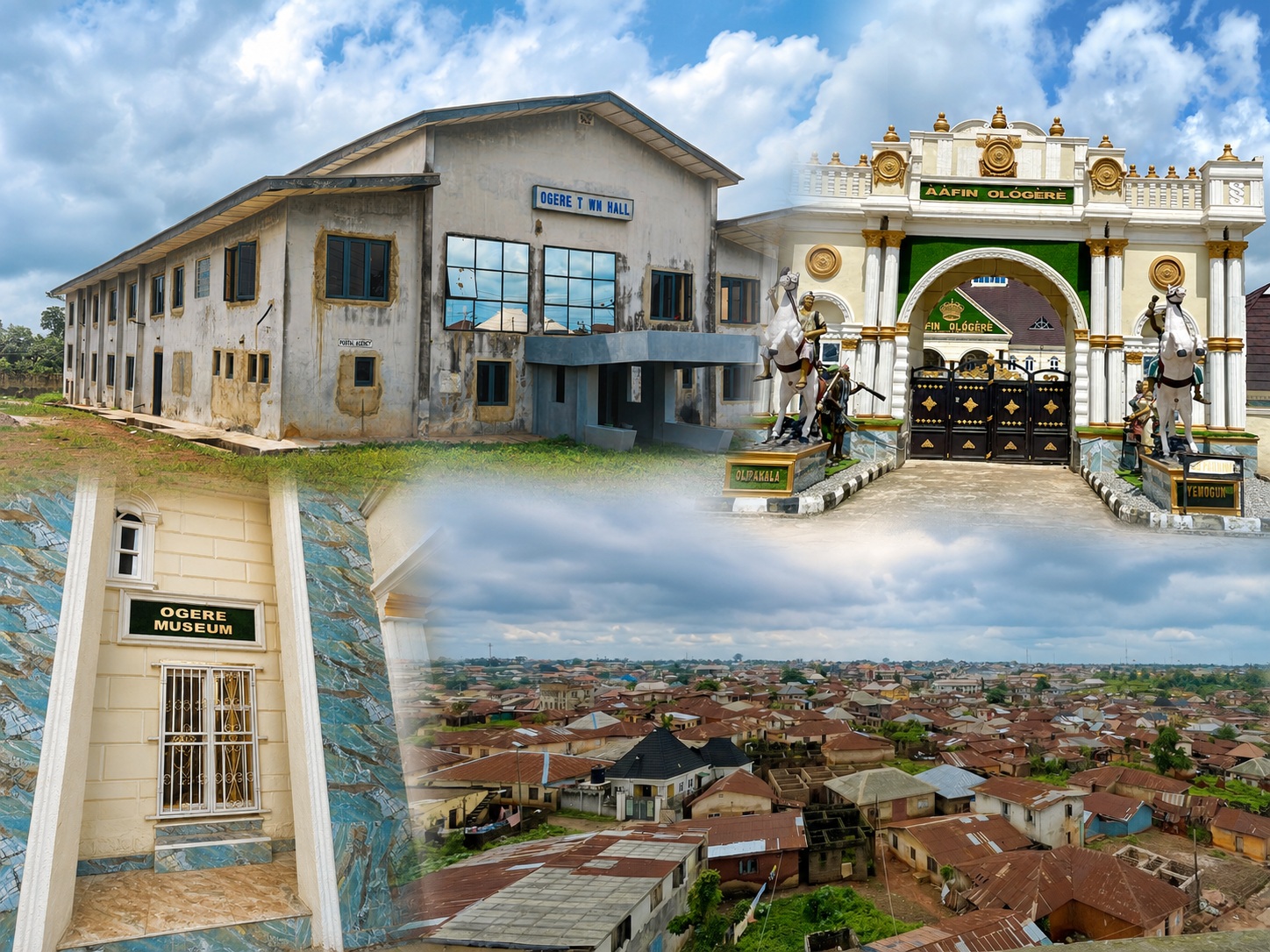
Ogere at a Glance
Historical Foundation
Location
Remo Identity
Landscape
Road Connectivity
Lipakala Day
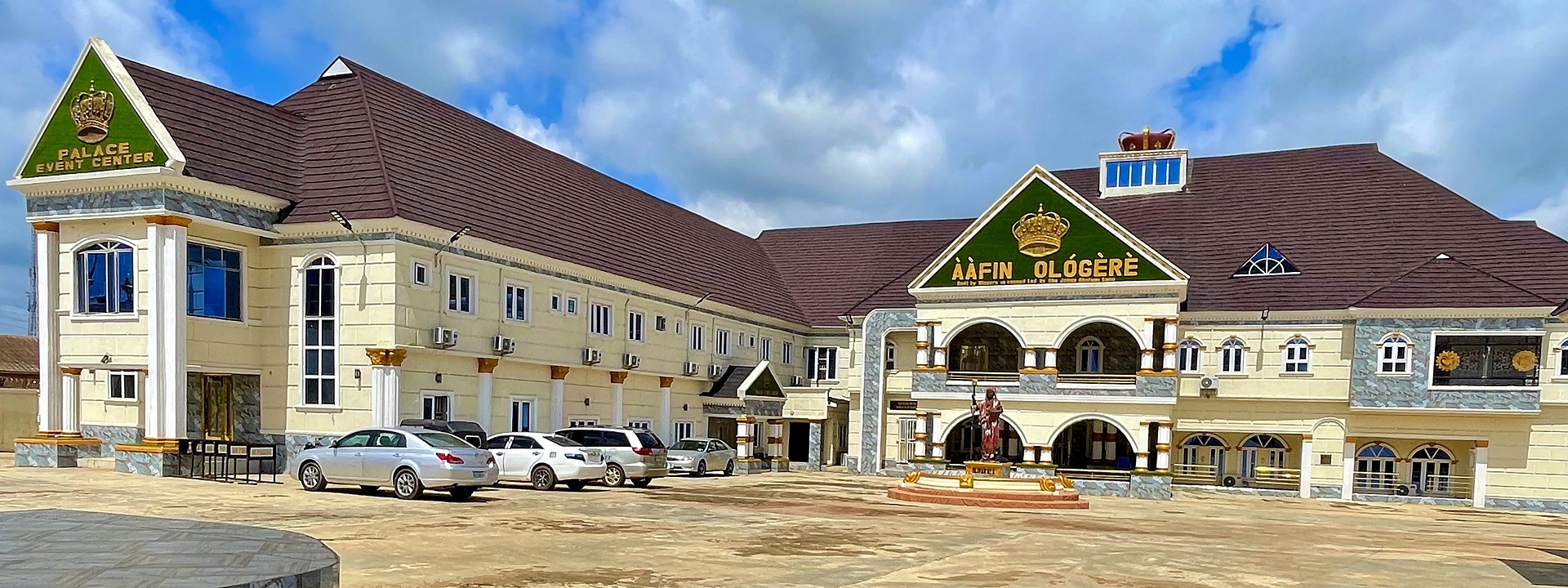
A Heritage Rooted in Ile-Ife
The historical identity of Ogere is closely associated with Olipakala, Yemogun and Lowa-Lida.
Olipakala was an Ile-Ife crown prince, a descendant of Oduduwa and the founder around whom Ogere’s early political, cultural and protective traditions developed. He is remembered as a hunter, warrior and leader who worked to safeguard the identity and security of his people.
Yemogun, his wife and companion, is remembered in the same historical tradition for her courage and role alongside him, while Lowa-Lida is recorded as an early migrant whose contribution supported the growth and spiritual development of the community.
The complete history, including the migration narrative, development of the ruling houses, traditional wards and quarters, ancient administration and the wider historical record are presented on the dedicated History of Ògèrè Rẹ́mọ page.
Connected Within Remoland and Beyond
Ogere occupies a hilly landscape in the south-western part of the historic Remo area. Ajura bounds the town to the north, Iperu Remo to the south, Ode Remo to the east and Sagamu Remo to the west, all neighbouring towns.
Two important transport routes pass through the town: the Lagos-Ibadan Expressway and the Ijebu Ode-Abeokuta Road. These connections position Ogere within road networks linking communities and commercial centres across Ogun State and towards Lagos, Ibadan and other parts of south-western Nigeria.
The location of Ògèrè supports the movement of residents, visitors, businesses and goods while contributing to the town’s role in commerce, hospitality, community activity and investment. Its strategic location is further enhanced by its proximity to the Gateway International Airport, Iperu, placing the town within easy reach of national and international air travel and opening new opportunities for business, tourism, logistics and diaspora engagement.
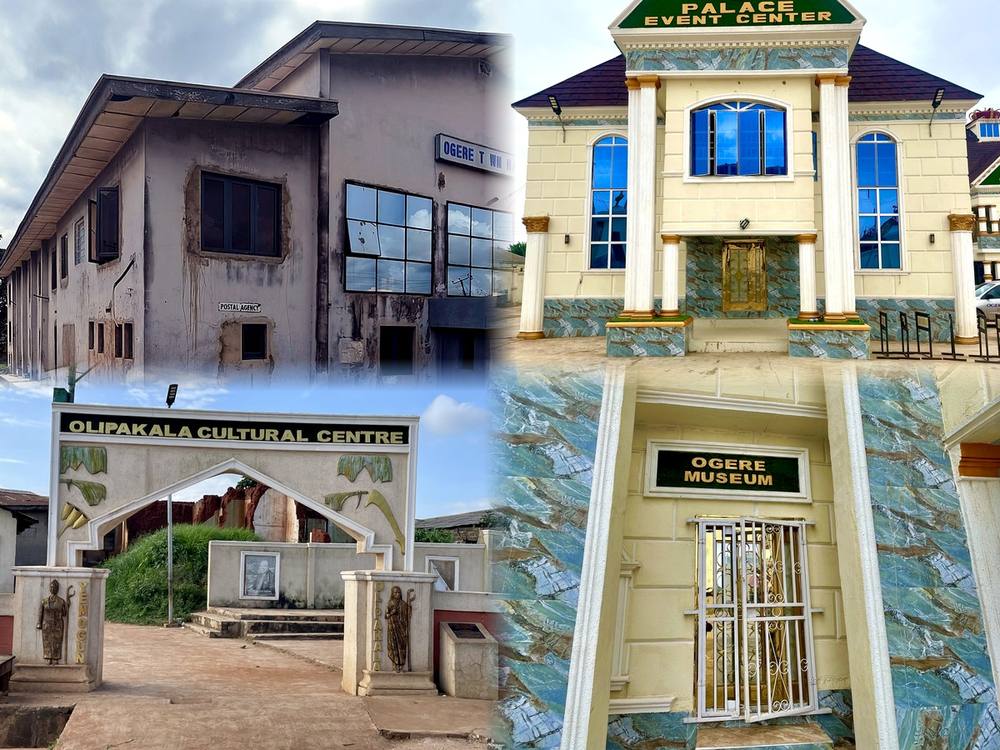
Heritage, Community and Continuing Progress
Today’s Ogere brings together longstanding traditions and contemporary community life.
The Ologere of Ogere and the traditional institution (Ologere-in-Council) remain central to Ogere’s traditional leadership and heritage. Alongside the traditional institution, the Ogere Community Development Association (OCDA), formerly Ogere Community Development Council (OCDC) and recognised community and diaspora organisations support community organisation, engagement and development across different areas of town life.
Education also forms an important part of Ogere’s identity. Community historical records document the establishment of Christ Anglican School in 1892 and Wesley School in 1900, followed over time by additional public and private educational institutions.
The present-day Ogere also encompasses businesses and enterprise, religious and social institutions, cultural activities, community development programmes and an active network of Ogere descendants who remain connected to their ancestral community.
Ogere Town Hall is one visible part of this civic life. It houses the OCDA secretariat and serves as a venue for town assemblies, receptions and community occasions.