

Culture & Heritage
The culture of Ògèrè Rẹ́mọ brings together ancestral memory, traditional institutions, festivals, religious heritage, music, food, dress, oral tradition, historic places and the continuing ways in which the community remembers and represents itself.
Heritage Rooted in the Founding Story

Olipakala, Yemogun and Lowa-Lida are central figures in Ògèrè’s historical and cultural memory. Their stories connect the community with Ile-Ife, the settlement at Agbele, traditional defence, spiritual heritage and the development of later institutions. The complete historical narrative belongs on the History page, while Culture & Heritage focuses on the traditions, sites and practices through which that history continues to be remembered.
Festivals and Community Celebrations
Lipakala Day
Explore Lipakala Day
Traditional Observances
Royal & Community Occasions
Places of Cultural Significance
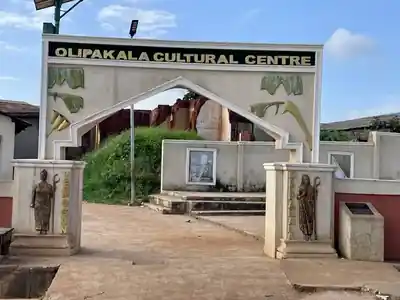
Important places identified in the community record include Ààfin Ológèrè, the Ògèrè Museum, the Lipakala Cultural Centre, Ògèrè Town Hall, Agbele, Igbo Olipakala, Igbo Yeye, major Christian and Islamic institutions, schools and other civic or heritage landmarks.
Some traditional sites are living cultural or spiritual spaces rather than conventional tourist attractions. Visitor information, photography and access guidance should therefore be published only where appropriate.
Selected museum, cultural and religious landmarks from the source-image register.

Religious Heritage
Ògèrè’s cultural landscape includes traditional religion, Christianity and Islam. The town’s educational and religious history is closely connected with institutions such as Christ Anglican Church and School, Methodist institutions, The Church of the Lord (Aladura) and its international spiritual heritage, as well as the Central Mosque and other Islamic institutions.
The annual Tabieorar festival associated with The Church of the Lord (Aladura) is an important part of Ògèrè’s international religious identity. Christian and Islamic celebrations also contribute to the social calendar and bring residents, visitors and diaspora families together.
Music, Food and Oral Tradition
Music, praise poetry, traditional performance, dress, food and oral history carry cultural knowledge across generations. community records refer to Apepe traditional music, the Apere war-signal tradition and food heritage including ebiripo. The community account relating Yemogun to the restriction on public ebiripo sale or consumption remains an example of how history, memory and everyday custom intersect.
Preserving the Record
Heritage preservation requires more than celebrating festivals. Photographs, pamphlets, oral histories, Palace records, school histories, family archives and community publications need to be catalogued with source information and rights. The Media & Archive section is being developed as the digital memory layer for these materials, while the History page remains the canonical home for the town’s historical narrative.
