




Places and Landmarks
Ògèrè’s places and landmarks reflect the town’s royal, cultural, religious, educational and civic life. This page brings significant locations together as a practical guide to the physical places through which the town’s history, institutions and community life can be understood.
Ààfin Ológèrè
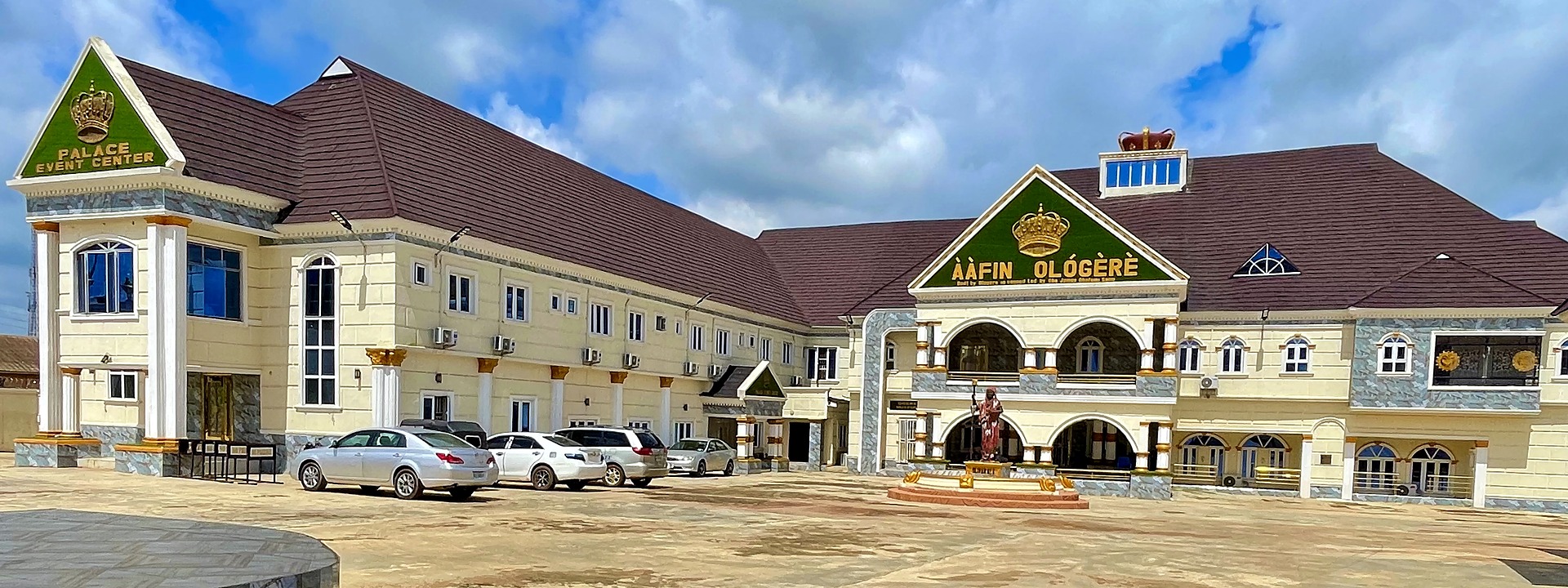
Ààfin Ológèrè is the purpose-built Palace and institutional seat of the Ológèrè. It is the principal setting for Palace administration, the Ológèrè-in-Council, traditional consultations, receptions, ceremonies and aspects of royal heritage.
The Palace environment, together with the Event Centre and Ogere Museum, serves as an important focal point for traditional ceremonies, cultural activities, community events and heritage preservation. The complex presents the history of the Ológèrè institution, the ruling houses, traditional leadership, the founders of Ògèrè and the development of the community. Detailed Palace history, visitor protocol and contact information are available on the Ààfin Ológèrè page.
Ogere Museum
The Ogere Museum is a community museum located within the Ologere Palace complex. It provides a dedicated space for preserving and presenting the cultural and historical heritage of Ògèrè Rẹ́mọ. The museum experience extends from the Palace entrance through the cultural environment, offering visitors opportunities to encounter aspects of the town’s royal, historical and cultural identity.
Collections
The Museum collection includes ancient artefacts, traditional royal and chieftaincy regalia, objects associated with Ògèrè’s founders and historical traditions, traditional household and occupational objects, cultural and ceremonial items, photographs and portraits, documents and historical records, materials relating to past Ológèrè, records of distinguished sons and daughters of Ògèrè, Lipakala Day materials, items reflecting Remo heritage, and selected materials representing the wider Yoruba cultural heritage.
The Museum is dedicated to preserving the life, legacy and achievements of notable sons and daughters of Ògèrè, and to increasing public understanding of Olipakala, the founding heritage of Ògèrè and the development of the community.
Visiting the Museum
Opening days: Monday to Saturday.
Opening hours: 10:00 am to 5:00 pm.
Admission and payment arrangements follow Palace and community guidance. Visitors should confirm current details before travelling.

Lipakala Cultural Centre
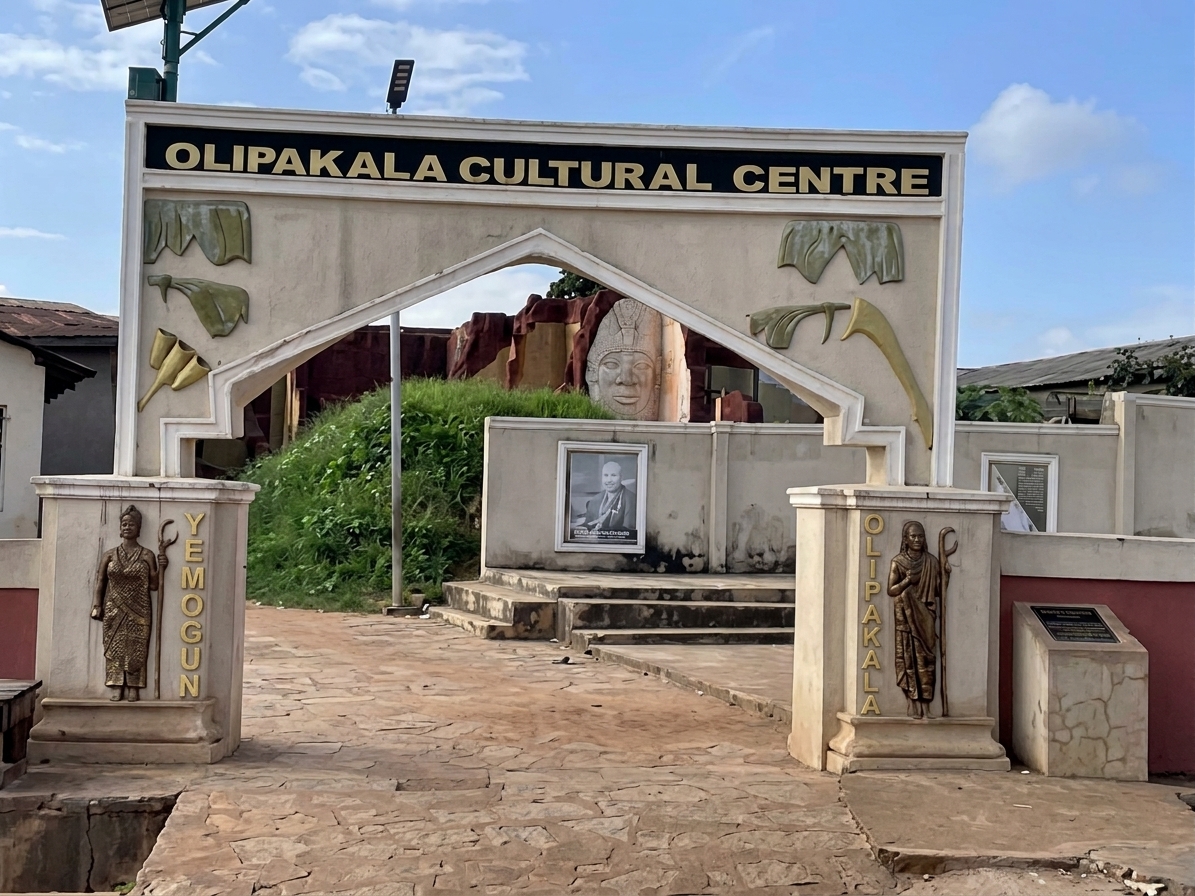
The Lipakala Cultural Centre is a dedicated landmark in Ògèrè, established to preserve, present and celebrate community heritage. It provides a vibrant setting for cultural activities and forms an essential part of the network through which Ògèrè’s traditions, community identity, and local heroes and heroines are honoured.
Distinct from the Palace, the Cultural Centre is situated directly in front of the Ogere Town Hall, serving as a prominent landmark in its own right.
Ògèrè Town Hall
Ògèrè Town Hall is a central civic facility used for community meetings, administration, mobilisation and organised engagement. It houses the Ògèrè Community Development Association (OCDA) Secretariat and remains an important venue in the town’s civic life.
Ancestral and Heritage Sites
Ògèrè’s ancestral landscape preserves the historical geography, founding memory and spiritual associations through which the community understands its earliest settlement and founding figures.
Agbele
Agbele is the ancestral settlement, or Orile, of Ògèrè Rẹ́mọ. It was the early settlement associated with Olipakala and the community from which present-day Ògèrè expanded. Agbele occupies an important place in the town’s historical geography and cultural memory.
Igbo Olipakala
Igbo Olipakala (Olipakala Grove) is one of the important ancestral heritage sites of Ògèrè. The grove is associated with Olipakala, the founder and spiritual father of the Ògèrè people, and reflects the continuing historical and spiritual connection between the community and its founder. The site forms part of the indigenous religious and cultural heritage of Ògèrè.
Igbo Yeye
Igbo Yeye (Yemogun Grove) is associated with Yemogun, wife and co-warrior of Olipakala. Yemogun occupies a distinctive place in Ògèrè history as a courageous defender of the community and an important figure in its spiritual and cultural heritage. Igbo Yeye remains one of the historic places through which her memory and significance are preserved.
Education, Faith and Community Landmarks
Longstanding schools, churches, mosques, markets and community facilities also form part of the lived landscape of Ògèrè. Christ Church School, Wesley School, Ositelu Memorial College, Ògèrè Community High School, major Christian and Islamic institutions, and Idera-Rahama Market are among the places connected with the town’s education, faith, commerce and everyday community life.
The Church of the Lord (Aladura) Worldwide has its International and Spiritual Headquarters in Ògèrè, making the town a significant centre for African Indigenous Christianity.