




Visit Ògèrè
Visiting Ògèrè offers an opportunity to experience the town’s heritage, traditional institutions, community landmarks, cultural life and strategic location within Ogun State. This page provides practical orientation for visitors while respecting the protocols of living community and royal institutions.
Getting to Ògèrè
The Lagos-Ibadan Expressway and Ijebu-Ode-Abeokuta Road serve Ògèrè and connect the town with Lagos, Ibadan, Abeokuta, Sagamu, Iperu and other centres across Ogun State and the wider South-West. The town is also within the wider Remo economic corridor, close to the Gateway International Airport.
Visitors should use current navigation and transport information when planning a journey because road conditions and routes can change.
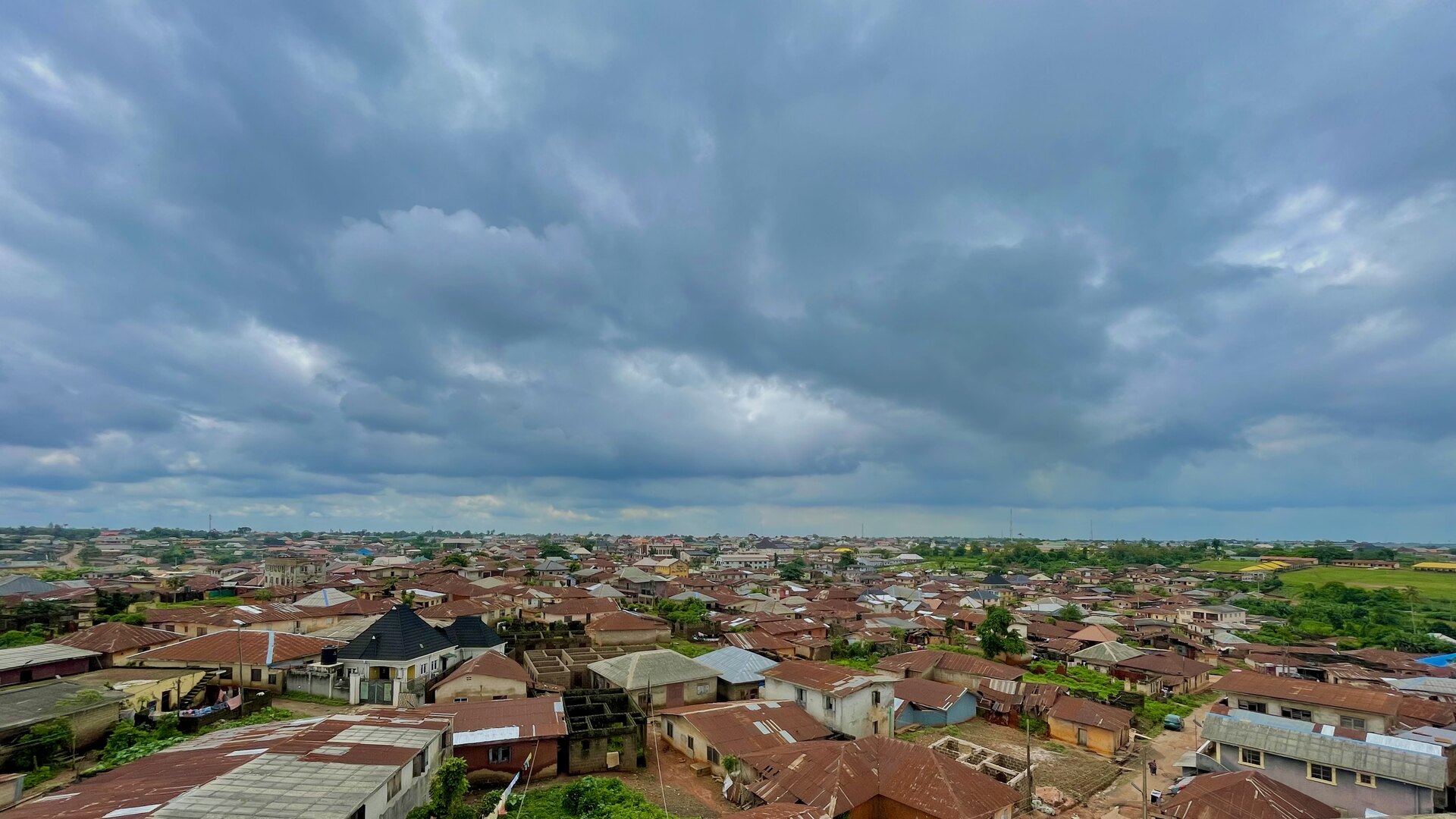
Places to Discover
Visitors can discover a curated selection of destinations through our comprehensive Places & Landmarks page.
Ààfin Ológèrè
The Palace, seat of the Ológèrè and an important contemporary heritage landmark.
Ogere Museum
A community museum within the Palace complex preserving artefacts, regalia and historical material.
Lipakala Cultural Centre
A cultural landmark preserving and celebrating Ògèrè heritage.
Ògèrè Town Hall
A community and civic facility linked with administration and collective programmes.
Religious Heritage
Historic Christian and Islamic institutions, including the Church of the Lord (Aladura) International Headquarters.
Ancestral Heritage
Agbele, Igbo Olipakala, Igbo Yeye and other culturally significant places.
Community Events
Lipakala Day is the major annual heritage and development celebration, with the Grand Finale on the third Saturday of October.
Heritage Rooted in the Founding Story
Olipakala, Yemogun and Lowa-Lida are central figures in Ògèrè’s historical and cultural memory. Their stories connect the community with Ile-Ife, the settlement at Agbele, traditional defence, spiritual heritage and the development of later institutions. Visitors who want the fuller historical context should continue to the History and Culture & Heritage pages, while access to living cultural or spiritual places remains subject to appropriate custodial guidance.
Culture, Faith and Etiquette
Ògèrè’s heritage is living, not staged solely for visitors. The Palace, traditional groves, places of worship and community ceremonies have protocols governing access, dress, photography and behaviour. Visitors should follow local guidance and avoid treating sacred or private spaces as unrestricted attractions.
Where a site is under the authority of traditional custodians, access and photography are managed by those custodians. Some ceremonial periods are not open to public viewing.
Where to Stay and Eat
Ògèrè features a decent hospitality sector, comprising various hotels, resorts, restaurants and serviced accommodation. These establishments provide excellent lodging, conference facilities and recreational spaces ideally suited for corporate retreats, meetings and group activities. By supporting the town’s cultural and religious attractions, they ensure a comfortable experience for visitors, event attendees and group travellers. It is advisable to confirm current operating details and availability directly with the respective providers before travel.
Best Times to Experience Community Life
Ògèrè’s cultural calendar offers several periods of particular interest to visitors:
- July: Oro/Isemo Festival
- August: Agemo Festival; Tabieorar Festival (22 August, a major religious gathering attracting international visitors)
- October: Obalufon Festival; Lipakala Day Grand Finale (third Saturday of October)
- After Eid al-Kabir: Ita Oba / Ojude Oba
- March/April: Easter
- 25 December: Christmas
- Islamic lunar calendar: Eid al-Fitr, Eid al-Kabir, Eid al-Maulud
Visitors should check current event information before travel.
Places & Landmarks
Explore the Palace, ancestral sites, cultural landmarks and other places across Ògèrè.
Events
Browse upcoming community events, festivals and public programmes.
Security & Emergency
Key contacts and arrangements for safety and emergency response in Ògèrè.